 26 Seddon St, Ivanhoe VIC 307926 Seddon St, Ivanhoe VIC 3079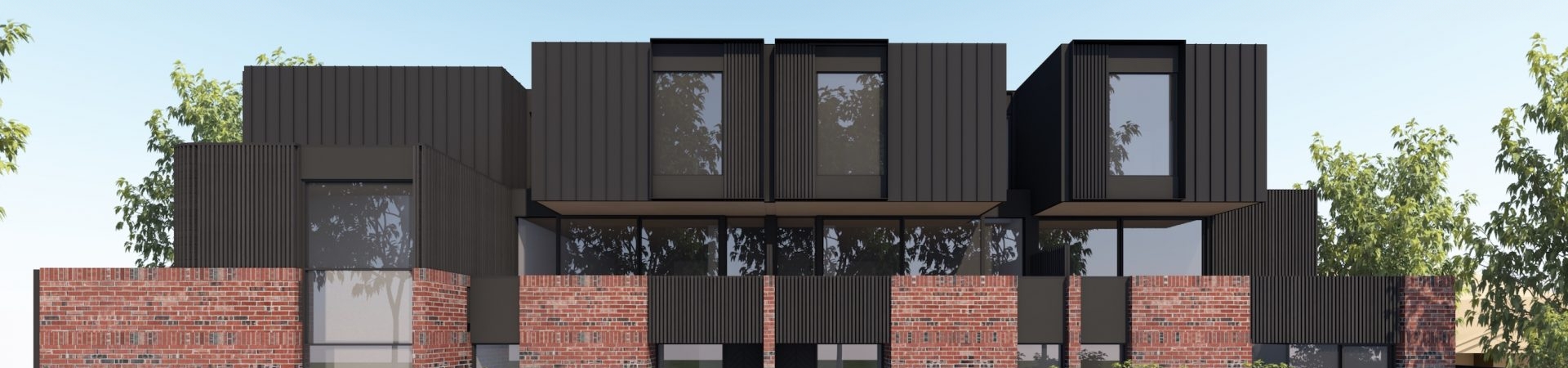
From rental yields to capital growth, property investment opens the door to opportunities many people never imagined, but success doesn’t just come from being first to the post. With a real estate market that’s changing day to day, doing your due diligence has never been so important, and we can’t drive home this point enough.
If you really want to build long-term wealth or flip the site for a genuine return, it's all about understanding every detail before you commit. For us, this always starts with a feasibility study.
At Property Analytics, our buyer advocates will never recommend a site without first completing a feasibility analysis. As we’ll go on to explain, this process is designed to ensure that before you sign on the dotted line, everything has been properly accounted for and detailed. Keep reading to learn more!
At this point, you might be wondering who we are, what we do, and why we’re qualified to speak on this subject, so here’s a quick overview:
Property Analytics is a team of real estate analysts and fully qualified buyer advocates with over 15 years of hands-on experience. We’re data driven and personable, offering an array of services for Property Investors, Property Developers, Industry Professionals, and First-Time Home Buyers that are looking to buy in Melbourne.
The research we gather is both highly sought after and used by some of the biggest names in the business. What’s more, delivering for clients is and has always been our number one priority.
You’re also welcome to head on over to our about us page to learn more, or give us a bell and chat with a property expert!
Ok, let’s switch gears and get back to the topic at hand. In case you're unfamiliar, a feasibility study is an in-depth assessment of a property’s potential to meet your investment objectives. This can be used to analyse both existing homes and future developments.
At its core, this study identifies:
A feasibility study examines every stage of a development:
The ultimate goal of investment is capital growth. Essentially, this term refers to an increase in property value over time. As we’ve covered in other articles, capital growth can be achieved through two different pathways, and a feasibility study can include projections for the site’s future outlook and value moving forward.
Market Growth: Investing in areas with strong historical price appreciation. Melbourne house prices, for example, have doubled five times in the past 40 years. A feasibility study evaluates location, demand, and supply to identify sites likely to outperform.
Proactive Value-Add: Renovations or development that actively increase property value. Feasibilities determine what’s achievable within planning and cost constraints.

A site can look great on paper–a brilliant location, fantastic square footage, and seemingly equipped with all the bells and whistles. Unfortunately, once the veil is pulled back and it's actually analysed, you never quite know what issues might be hidden underneath.
Even if there are two sites that appear look identical, a feasibility study will be able to reveal the kind of critical differences that really matter over time:
Site Conditions: Slope, soil quality, and orientation can dramatically influence construction costs. A flat site may be straightforward, while a sloping site could require retaining walls or excavation.
Planning Restrictions: Zoning, overlays, and council requirements can affect design possibilities and timelines.
Yield vs Efficiency: Maximising the number of dwellings doesn’t always maximise profit. Feasibility identifies the optimal balance of design efficiency and marketability.
Many investors underestimate construction costs by relying on average rates or assumptions. The truth is, any number of factors influence the final costs of construction, including any considerations related to council permit approval.
A proper feasibility calculates:
As we’ve just touched on, planning permits are critical to development success. Even if a site is zoned for multiple dwellings, local council regulations can impose limits. A feasibility study considers:
Without this step, a site might seem viable but could become unworkable due to regulatory constraints.
Not every buyer’s advocate focuses on the long-term outlook. However, because we’re property development consultants, the Property Analytics team can leverage the findings of a feasibility study to guide you towards (or away from) sites that not align with your financial goals, but also represent future growth. We’ll ensure that:
Feasibility transforms site selection from guesswork to evidence-based decision-making. This is why our buyer advocates never recommend a site without it.
Feasibility also accounts for:
Understanding these factors ensures investors are prepared for real-world outcomes, avoiding surprises and maximising returns.
We could probably wax lyrical about this topic if given the opportunity, but sometimes there’s no better way to drive home a point than with a real-life example. In the example below, you’ll see just how beneficial a full project feasibility study can be to the final result.

Walter was an Australian citizen living overseas. Intending to settle back in Melbourne in a few year’s time, he wanted to get some projects going. He appointed us to find a profitable project site for circa $1.2m.
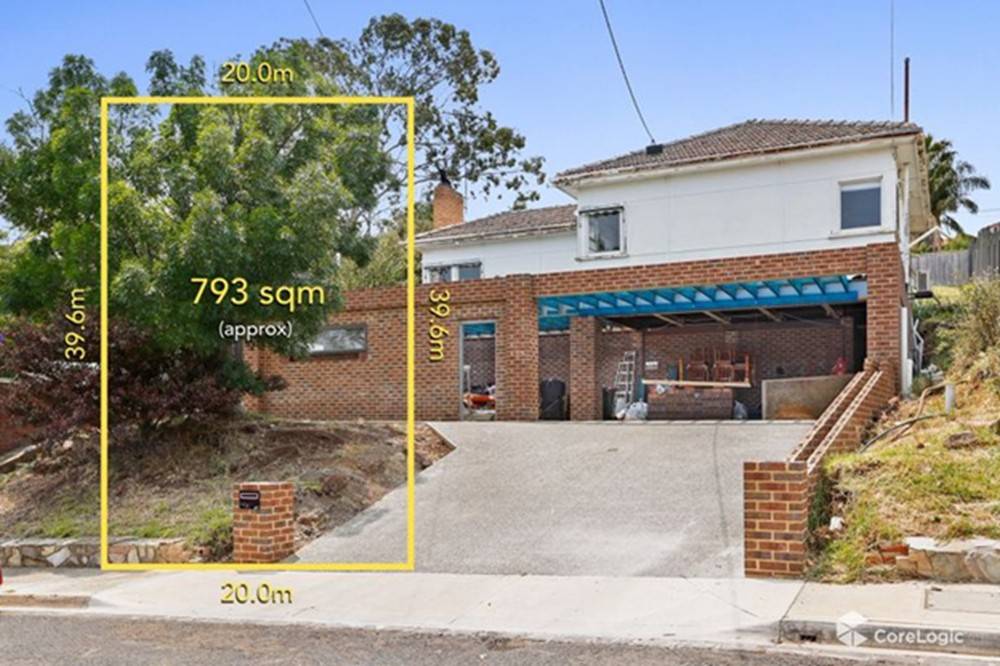
When searching online portals, I’m a big fan of sorting properties from ‘Older to Newer’ to find a good buy. The two main reasons that properties languish on the market: they are overpriced or they are problematic (e.g. big slope, large trees, etc).
For months, I’d been tracking a particular property, but didn’t initially consider it for Walter because it was out of his price range. I made contact with the agent, and long-story short, purchased it for Walter – after conducting a full project feasibility, complete with council feedback, informal advice from a Town Planner I know well, and a valuation from a non-listing selling agent.
We bought in mid-April, and, as agreed previously with Walter, I immediately assembled a team required to design the development and attain planning permissions. [All quotes and invoices from team members were sent to Walter, with my payment only coming once permits were achieved.].
A permit was attained shortly before he settled on the purchase. The market had appreciated over that time, and project profits looked increasingly attractive. Walter isn’t a greedy bloke – he’s one to cash in when profits are there. I recommended a good local agent, and liaised with him on behalf of Walter through a resale campaign.
Within 14 months from purchase to resale settlement, Walter had made some big profits. We’ve since purchased another property for him and will likely purchase many more.
He says nice things about us:
“I have completed a project with Andrew in Melbourne and I highly recommend his services. He has in depth knowledge of the market and knows the process of development inside out. He will be able to assist with as much or as little of the entire process as you wish, depending on what your requirements are for your particular project. He is honest and hardworking. You always get to talk to him directly if he’s managing your project.“
For our team, it’s never been about providing a stock-standard service. As your property investment consultants, we go above and beyond to make sure that every detail is accounted for, and you’re only investing in the right opportunity, not the first option that catches your eye.
From analysing market values to accessing more sites off-market, and gaining inside knowledge from selling agents, we have experienced property investment consultants who are ready to help you put the best foot forward.
We’re proud of the reputation we’ve built as a data-driven company that can be relied upon. Enquire online or get started with a Free Discovery Call right now!










 03 9497 5429



